
Lifeless complete fish aren’t very interesting to many people
I advocate consumption of cold-water fatty fish a pair instances per week for long-term safety towards coronary heart and mind illness. The protecting part of fish often is the omega-Three fatty acids.
Alternatively, a lot seafood is contaminated with mercury, which could be poisonous. So, is the mercury in fish truly poisonous to mind tissue of oldsters consuming affordable quantities of fish?
A latest post-mortem research solutions, “No.”
Learn additional for particulars.
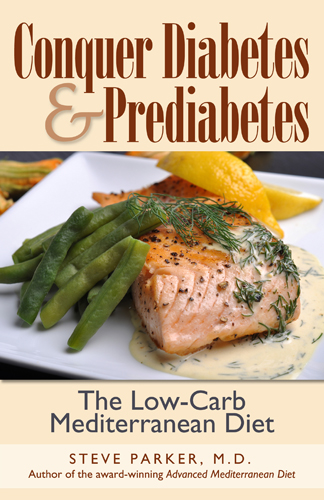
Rather more appetizing!
From the Journal of the American Medical Affiliation, 2016 Feb 2;315(5):489-97. doi: 10.1001/jama.2015.19451. “Affiliation of Seafood Consumption, Mind Mercury Degree, and APOE ε4 Standing With Mind Neuropathology in Older Adults.”
IMPORTANCE:Seafood consumption is promoted for its many well being advantages though its contamination by mercury, a identified neurotoxin, is a rising concern.
OBJECTIVE:To find out whether or not seafood consumption is correlated with elevated mind mercury ranges and in addition whether or not seafood consumption or mind mercury ranges are correlated with mind neuropathologies.
DESIGN, SETTING, AND PARTICIPANTS:Cross-sectional analyses of deceased members within the Reminiscence and Ageing Challenge scientific neuropathological cohort research, 2004-2013. Individuals resided in Chicago retirement communities and sponsored housing. The research included 286 autopsied brains of 554 deceased members (51.6%). The imply (SD) age at dying was 89.9 (6.1) years, 67% (193) had been ladies, and the imply (SD) instructional attainment was 14.6 (2.7) years.
EXPOSURES:Seafood consumption was first measured by a meals frequency questionnaire at a imply of four.5 years earlier than dying.
MAIN OUTCOMES AND MEASURES:Dementia-related pathologies assessed had been Alzheimer illness, Lewy our bodies, and the variety of macroinfarcts and microinfarcts. Dietary consumption of seafood and n-Three fatty acids was yearly assessed by a meals frequency questionnaire within the years earlier than dying. Tissue concentrations of mercury and selenium had been measured utilizing instrumental neutron activation analyses.RESULTS:Among the many 286 autopsied brains of 544 members, mind mercury ranges had been positively correlated with the variety of seafood meals consumed per week (ρ = Zero.16; P = .02). In fashions adjusted for age, intercourse, training, and complete vitality consumption, seafood consumption (≥ 1 meal[s]/week) was considerably correlated with much less Alzheimer illness pathology together with decrease density of neuritic plaques (β = -Zero.69 rating items [95% CI, -1.34 to -0.04]), much less extreme and widespread neurofibrillary tangles (β = -Zero.77 rating items [95% CI, -1.52 to -0.02]), and decrease neuropathologically outlined Alzheimer illness (β = -Zero.53 rating items [95% CI, -0.96 to -0.10]) however solely amongst apolipoprotein E (APOE ε4) carriers. Greater consumption ranges of α-linolenic acid (18:Three n-Three) had been correlated with decrease odds of cerebral macroinfarctions (odds ratio for tertiles Three vs 1, Zero.51 [95% CI, 0.27 to 0.94]). Fish oil supplementation had no statistically important correlation with any neuropathologic marker. Greater mind concentrations of mercury weren’t considerably correlated with elevated ranges of mind neuropathology.
CONCLUSIONS AND RELEVANCE:In cross-sectional analyses, reasonable seafood consumption was correlated with lesser Alzheimer illness neuropathology. Though seafood consumption was additionally correlated with greater mind ranges of mercury, these ranges weren’t correlated with mind neuropathology.
Supply: Affiliation of Seafood Consumption, Mind Mercury Degree, and APOE ε4 Standing With Mind Neuropathology in Older Adults. – PubMed – NCBI